




SUE possesses decades of experience in the fields of energy and uninterruptible power supply systems. How have the market and client needs changed since the company’s inception?
The changes are significant, primarily because uninterruptible power supply has evolved from a niche requirement for specific industries into a necessity for key processes in almost every organization. Twenty or thirty years ago, business operations relied far less on digital systems and automation. Today, production, communications, data processing, and service delivery depend on equipment that can be brought to a halt by even a brief power outage, resulting in high costs and potential risks. Consequently, a reliable power supply for critical systems is now a fundamental requirement for business continuity.
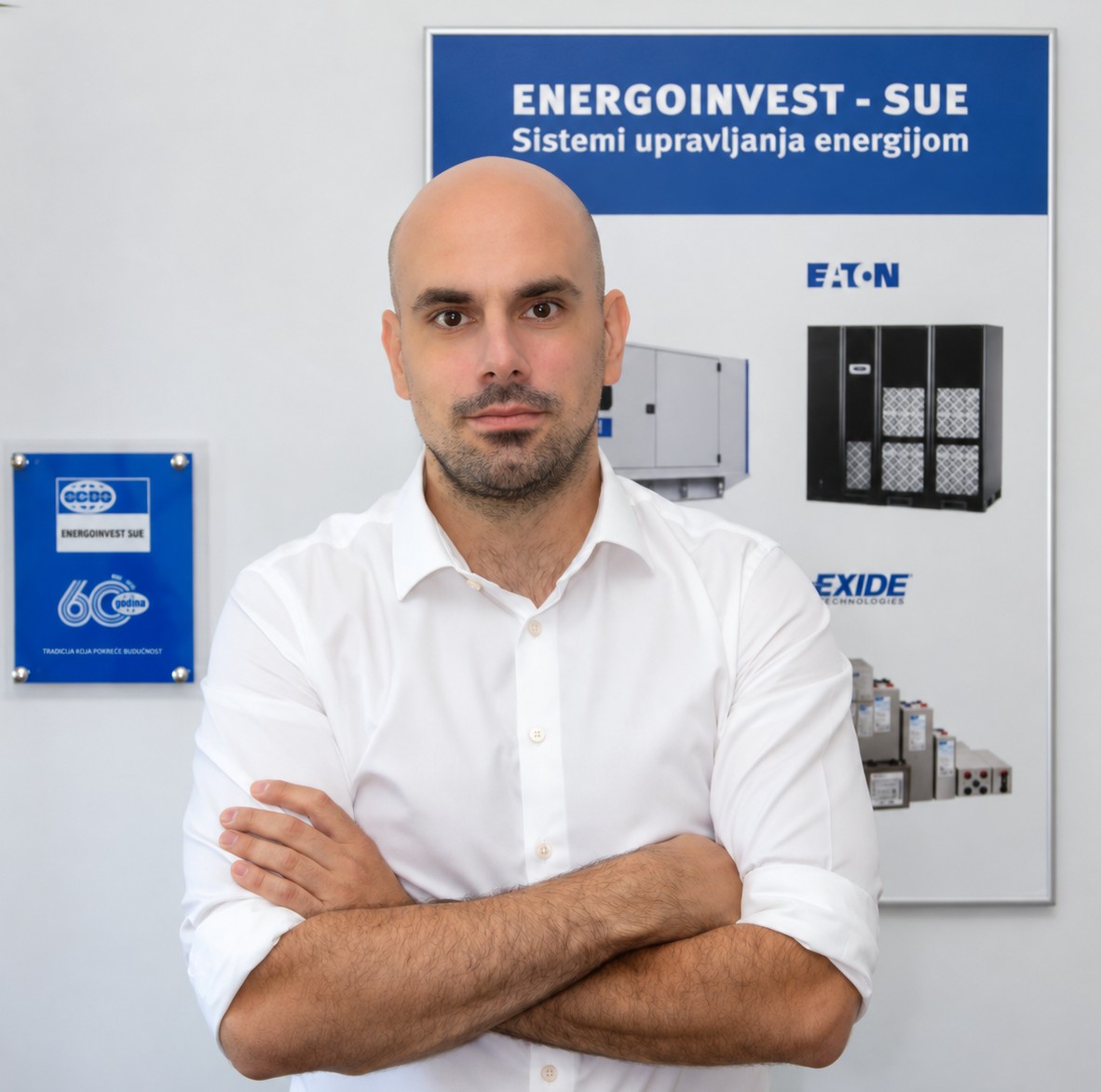
As a result, clients no longer seek merely an individual device or product; they look for a complete, reliable, and long-term sustainable solution, with a clear understanding of how it will perform under real-world conditions. Factors such as design quality, system redundancy, energy efficiency, remote monitoring, and high-quality service support throughout the equipment's lifecycle are becoming increasingly important. Decades of working with various generations of this equipment have provided us with the experience needed to assess exactly what is required for a specific application. We represent leading equipment manufacturers such as Eaton, Exide, FG Wilson, and Benning. The quality of their equipment, combined with proper design, installation, and expert service support, forms the foundation of the reliability of the systems we deliver.
Given your collaboration with international partners and the presence of SUE’s solutions outside BiH, where do you see the greatest potential for the company’s further growth and development—in the domestic market, the region, or the international market?
We see potential at all three levels, though for different reasons. The domestic market still offers significant room for modernization in the energy, digitalization, and infrastructure sectors—areas where we lag behind more developed European markets. This presents both a challenge and a major opportunity for companies capable of offering high-quality, technically advanced solutions. We believe the demand for modernizing power infrastructure, reliable power supply systems, and improved energy management will continue to grow in the coming years.
At the same time, SUE already has experience supplying its own power systems to markets in the region and, occasionally, to international markets. Such projects confirm that the expertise and solutions we develop can compete effectively beyond BiH’s borders. We aim to build upon this experience to expand our business operations outside the country more systematically. The region is a natural area for expansion due to geographical proximity, similar technical requirements, and existing business ties, while international markets offer significantly greater scale and the opportunity to work on more complex projects. We see the most room for growth in projects that require engineering expertise and the customization of systems to meet specific needs; such projects align perfectly with our experience and operational approach.
Looking ahead to the next five to ten years, which technologies and trends will have the greatest impact on the energy sector and SUE’s business—renewable energy sources, battery storage, electric vehicles, smart energy management systems, or something else?
All the mentioned technologies will have a significant impact, and we already have practical experience with several of them. I consider the integration of power supply systems with smart energy management and remote monitoring to be particularly important for SUE. This is the direction we have been pursuing for years through the development and implementation of SCADA systems—an approach that relies directly on our experience with rectifier and inverter systems, UPS units, batteries, and generator sets.
In the solar energy sector, we are primarily focused on hybrid systems for remote locations and critical loads. A combination of solar energy, batteries, the grid, and generator power can enhance reliability and reduce operating costs, provided the system is properly sized and managed. I expect the demand for such solutions to grow. We have been involved in electric vehicle charging infrastructure for approximately ten years. While market development in BiH is slower than we would like, we believe in its continued growth.
Battery Energy Storage Systems (BESS) represent another area where we see room for development. In this segment, we are currently analyzing how to integrate them with the equipment and solutions we already offer, leveraging our existing experience with batteries, power supply systems, automation, and remote monitoring. We are particularly interested in applications where such a combination can enhance power supply reliability and energy management.
Over the next five to ten years, I anticipate a growing need for various energy sources, power supply systems, and consumers to operate as a coordinated whole. I see an opportunity for SUE here, as such projects require a solid understanding of equipment, automation, and real-world system behavior.
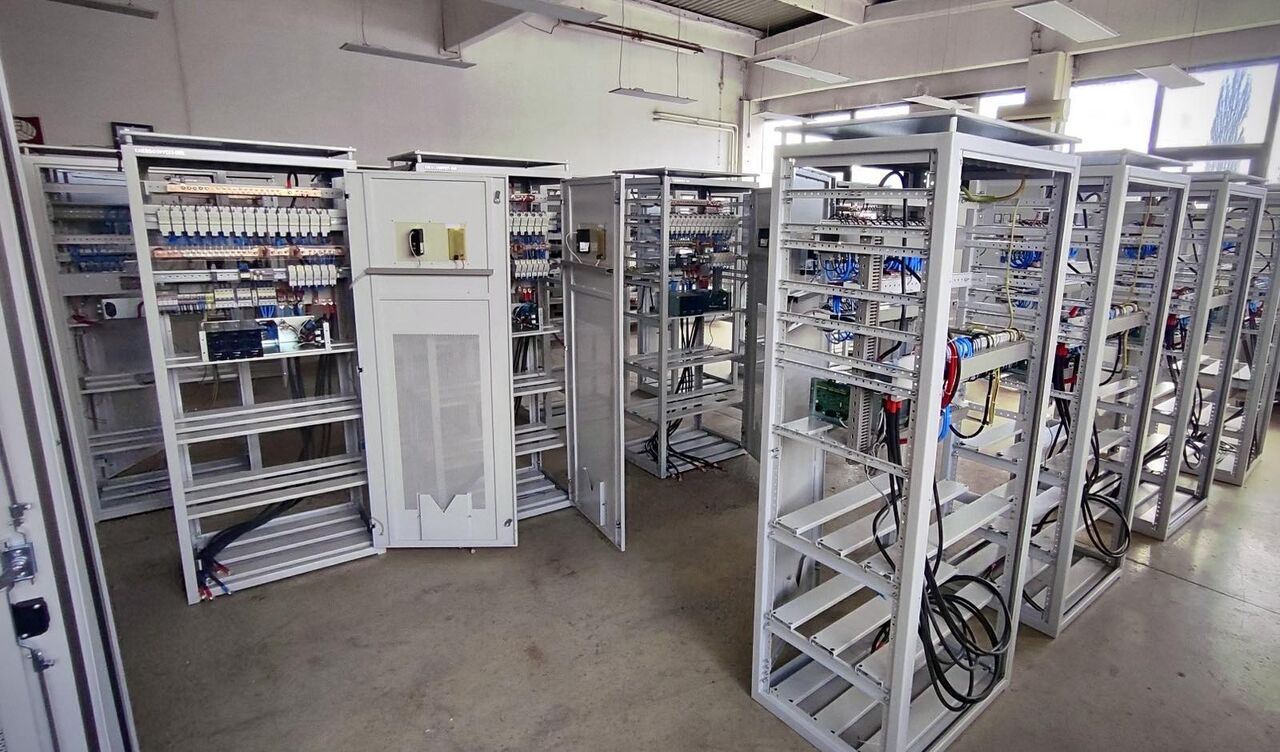
What do users often overlook when selecting uninterruptible and backup power systems—factors that are crucial for reliability?
Often, the primary focus is on the equipment's rated power and initial cost. However, the selection process should begin by considering what is being powered, the potential consequences of an outage, the acceptable duration of an interruption, and the required runtime without mains power. Operating conditions, scalability, and maintenance requirements are also important factors.
Even high-quality individual components must be correctly connected and configured for the entire system to operate reliably. Batteries are a prime example; available runtime depends on the load, battery capacity and condition, and operating temperature. Therefore, they should be selected based on actual conditions and required runtime, while accounting for capacity degradation over their service life. For generator sets, in addition to power output, it is essential to verify automatic startup, load pickup capabilities, and compatibility with the rest of the system.
Costs incurred over the equipment's lifecycle—such as energy losses, maintenance, battery replacement, and spare parts—are also frequently underestimated. Consequently, the initial price provides only a partial picture of the system's true cost. The availability of service and spare parts is also critical, as it determines how quickly faults can be resolved.
We advise users to request clearly defined operating conditions, a maintenance plan, and functional verification procedures right from the procurement stage. A system may operate flawlessly under normal conditions for a long time without its ability to provide backup power during a mains outage ever having been truly tested. Regular maintenance and testing under designated operating conditions provide a much more reliable picture of the system's readiness than the mere fact that there have been no problems so far.