


How compliant are solutions like eGate when it comes to personalization and processing of travel documents, and verification systems with security and regulatory requirements?
When it comes to systems for verification, personalization and processing of travel documents, and the MB eGate system that processes sensitive biometric data, the level of compliance with regulations and security requirements must be absolute. In fact, in the Automated Border Control (ABC) industry, compliance with regulations is not an option but a basic prerequisite for functionality and security.
Our MB eGate solution for automated border control has been fully developed and developed in accordance with all relevant regulatory guidelines of key organizations in this field, such as: FRONTEX (European Border and Coast Guard Agency), IATA (International Air Transport Association) and ICAO (International Civil Aviation Organization). In practice, this means that every hardware and software aspect of the system, starting from ergonomics and the way documents are scanned, and facial or finger biometrics, to recognition and verification algorithms, must be in line with international standards.
MB eGate is not a system that only speeds up the flow of passengers, automates and digitizes the process of crossing international borders, but with its hardware and software solutions it directly raises the level of border security to an exceptionally high level.
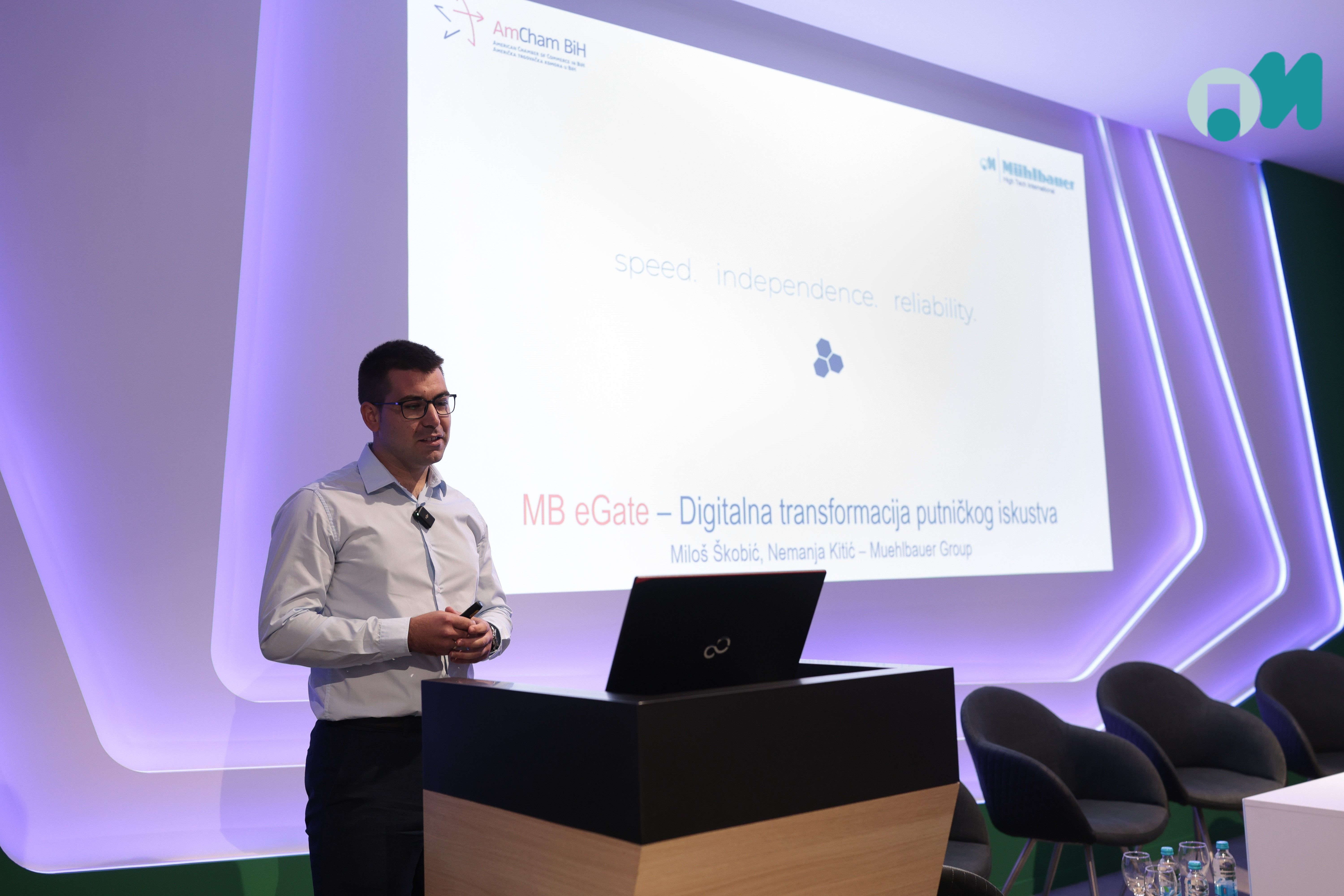
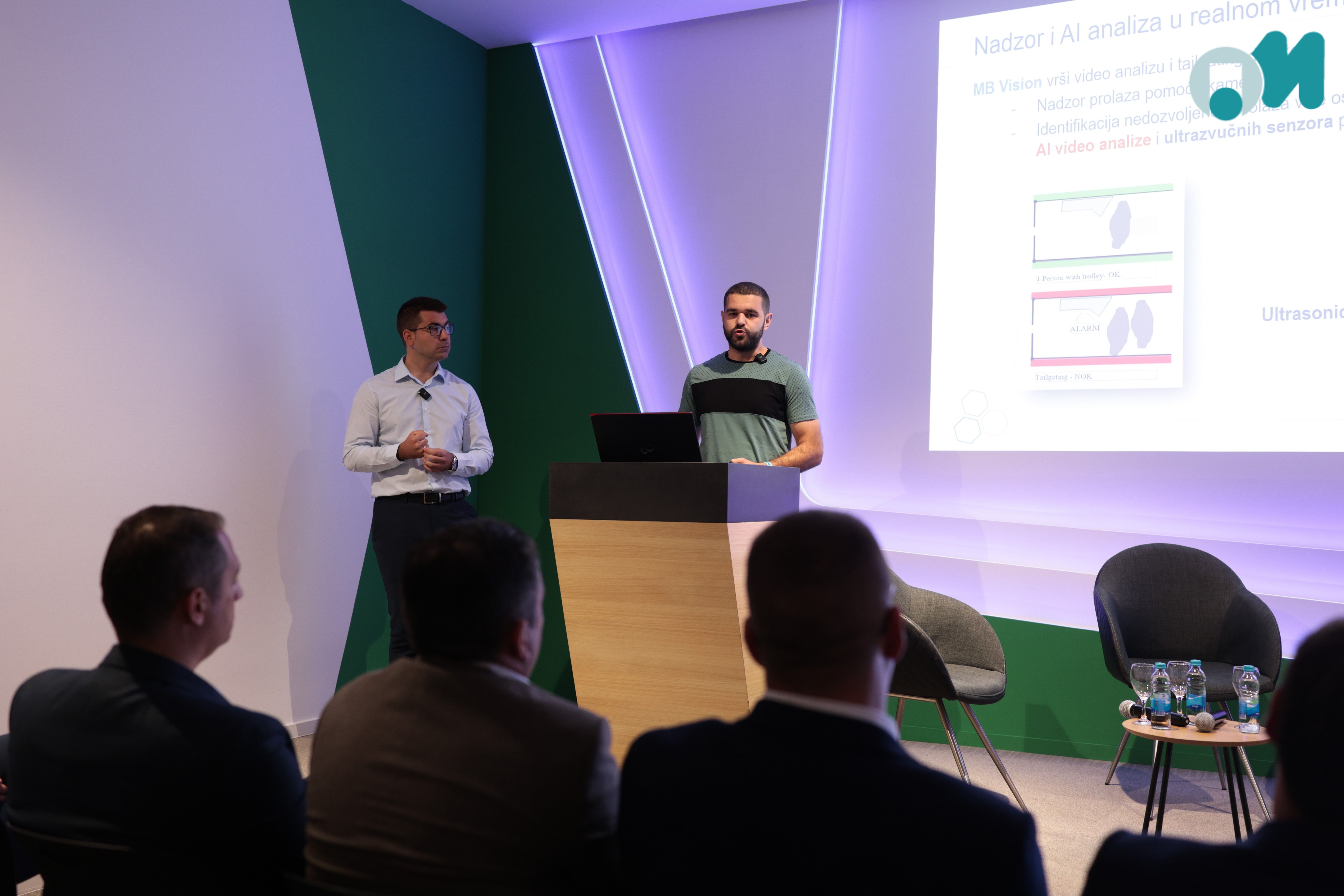
How is the way of traveling today made easier by Muehlbauer's digitized solutions?
Today, Muehlbauer represents an almost complete "One-Stop" solution in terms of identification documents, security systems and, ultimately, travel itself. This comprehensive approach benefits not only the countries and authorities that issue personal documents and travel documents, but also the travelers who use these documents every day.
Today, Muehlbauer follows modern trends and new needs for travel automation, and one of its focuses is precisely on creating an ecosystem that puts these documents into the function of faster and safer mobility.
Key products in our portfolio that directly transform the travel and border management experience are:
• MB eGate: It represents a proven automated border control solution that greatly reduces congestion at borders. The passage of a passenger through the MB eGate takes slightly less than 20 seconds. In addition to the obvious benefits for passengers, MB eGate optimizes the human resources of border services. Through the monitoring and management software, one border officer can effectively monitor multiple MB eGates simultaneously.
• MB Kiosk: A device that allows passengers to self-register, i.e. early registration, announcement of passage or check-in. In this way, the process of crossing the border crossing itself is further accelerated.
• MB Smart Corridor: As one of our most advanced products (prototypes), it represents the future of travel. The solution enables completely unhindered passage through the border (on the fly) without the need to show a physical passport. An advanced system of pillars with stereo cameras recognizes the pre-registered passenger, thus making the passenger's face the only document and "way to the world".
How much do stricter security requirements actually meet the expectations of simpler and faster border crossings?
At first glance, stricter security requirements and the desire for faster, simpler border crossings seem like two completely opposite demands. However, at Muehlbauer, we believe that these two demands are not mutually exclusive, and that the key to success lies precisely in the balance between security for countries and borders on the one hand, and a simple and intuitive user experience for travelers on the other.
To achieve the aforementioned balance, our development process in terms of faster and simpler border crossings is guided by three basic laws of biometrics:
1. Policy: The use of biometric verification of persons has become an inevitability of the modern era, which requires absolutely ethical use of data and respect for privacy. Security must not jeopardize the rights of the individual, but must protect them.
2. Process: This is the operational framework that directly follows the defined policy. Processes must be designed to be logical, intuitive and devoid of unnecessary steps, so that complex security checks can be carried out naturally and without creating bottlenecks.
3. Technology: As a technology company, Muehlbauer invests the most resources in this third law. Technology is a tool that aims to materialize the first two laws (Policy and Process). Muehlbauer is currently developing hardware and software solutions that allow all security checks (facial recognition or document authentication, etc.) to be carried out quickly, safely and efficiently, and completely unnoticed by the passenger.
Finally, stricter security requirements do not necessarily have to be rigate passenger flow at borders. When technological solutions are optimally designed and aligned with processes and policies, such as in the MB eGate solution, stricter security requirements are precisely part of the automation, which speeds up border crossing. In this way, the former stress in the queues for border crossing is transformed into a comfortable passenger experience.
A review from the perspective of the company Muehlbauer on the need for further digitalization processes
The need for digitalization and automation is not only changing the way we cross borders, but is actually changing our experience of travel. In the past, border crossing was often synonymous with uncertainty, waiting in long lines and stress. Today, thanks to technology, the experience of travel itself is changing from a feeling of "control and barrier" to a feeling of "freedom and mobility".
At the company Muehlbauer, the vision of the future is clear, technology should become an invisible companion of movement and travel. We are convinced that by establishing simpler, more intuitive and faster solutions for border crossing, people will become freer. That is, when we remove physical and time barriers at airports and borders, we will encourage people to travel more often and make travel decisions more easily.