





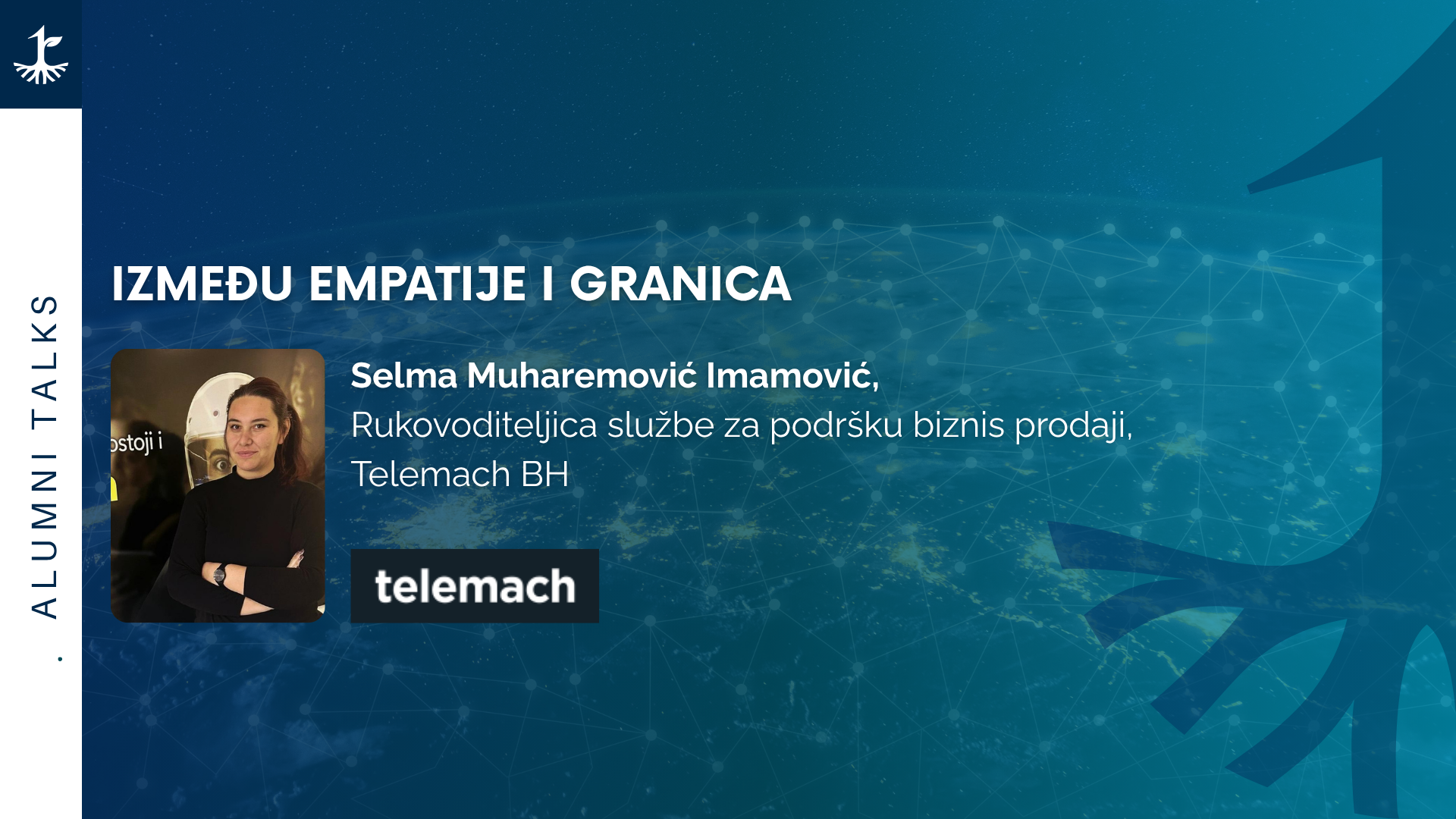
Between Empathy and Boundaries
There are moments in every career when theory simply stops being enough. Situations where a leader must improvise, de-escalate tension, communicate difficult decisions, or carry the emotions of others — often without a clear playbook.
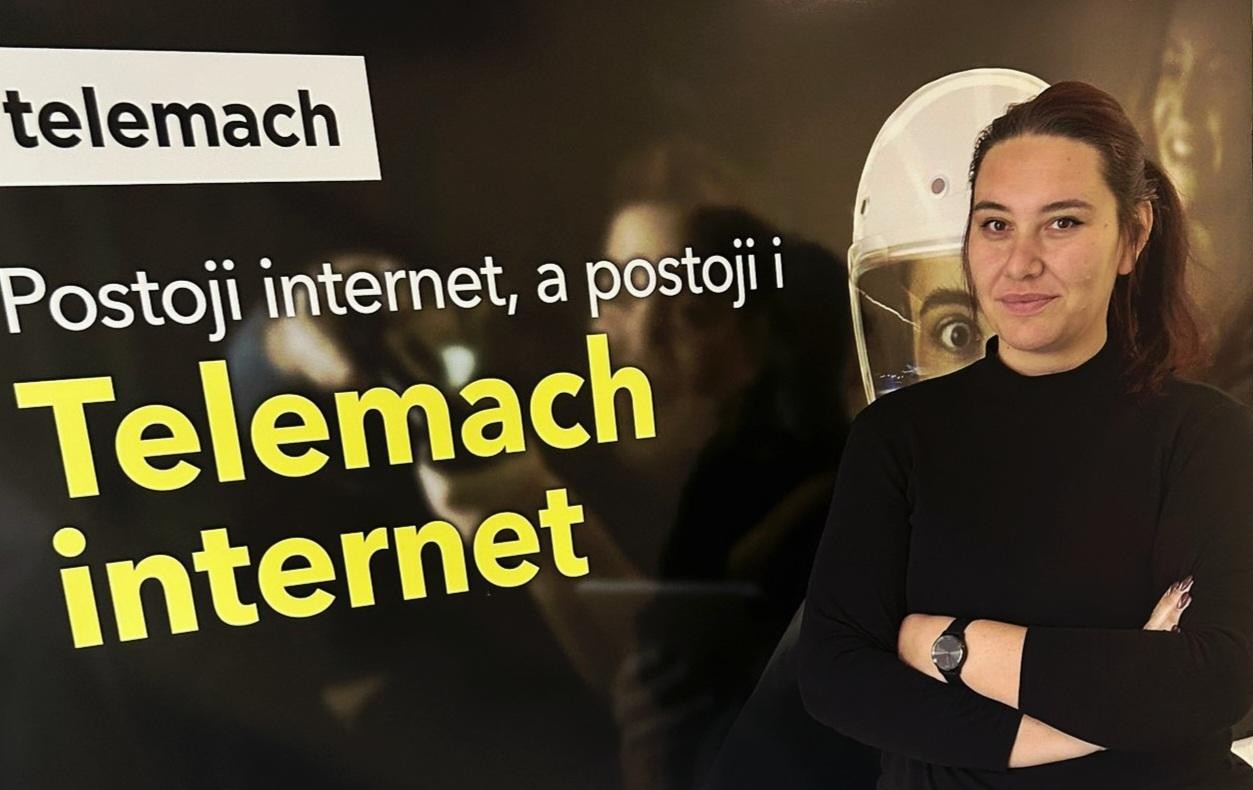
For Selma Muharemović Imamović, such moments are not frequent, but they are an inherent part of leadership responsibility. “I’m fortunate that these situations are not common, because they are neither easy nor pleasant. But they come with the responsibility we take on when we step into a leadership role.”
In those “reality check” moments, clarity becomes essential. “The most important thing is not to lose sight of the end goal — and that goal is impossible to achieve without synergy and collaboration within the team,” she explains. And in that space, one skill becomes unavoidable: improvisation. “I can say with certainty that no leader can avoid improvisation.”
Yet, at the core of her leadership approach are people. “I believe people always come first, because without them, everything else becomes difficult to achieve.” At the same time, she introduces a crucial nuance: boundaries. “It’s important to know where to set limits, because too much empathy and compassion can create a countereffect.”
Finding that balance did not come naturally. Selma openly reflects on this as one of her biggest personal challenges. “By nature, I’m very sociable and highly empathetic… but too much empathy can actually make certain situations harder than they need to be.”
Over time, through experience and continuous self-development, she consciously adjusted her approach. “I started to ‘dose’ my emotions, give more space to rational thinking, and set clear boundaries and goals.” The shift was not easy. “It wasn’t simple to suppress something that is part of my personality,” she admits — but the first tangible results confirmed that the change was real.
Throughout that journey, the Leader Roots program played an important role. For Selma, its value extends far beyond the formal sessions. “I was truly impressed by the people I met… and I’m still in touch with them, both personally and professionally.”
Looking back at the beginning of her career, one piece of feedback still stands out. “I was told that I stand out for my organizational skills, precision, and thoroughness.” That moment, she says, shaped her confidence and direction. “It was a huge boost — and a clear indicator of the kind of professional, and later leader, I wanted to become.”
She closes with a message to future Leader Roots participants that is both simple and powerful:
“Be the leader you would want to have if you were in your team’s position. Be the leader who inspires action, change, and improvement. Be good people — that never goes out of style.”