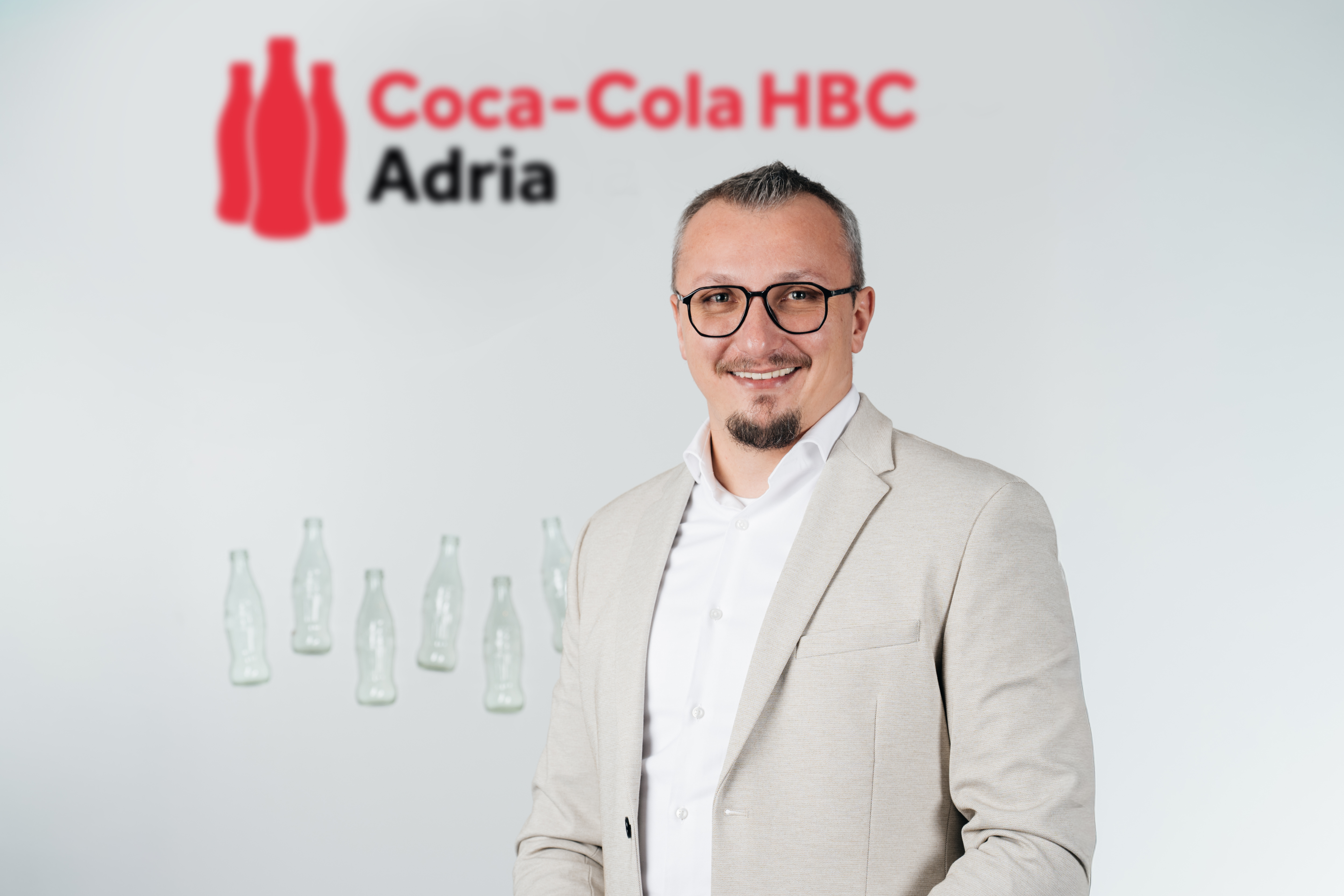





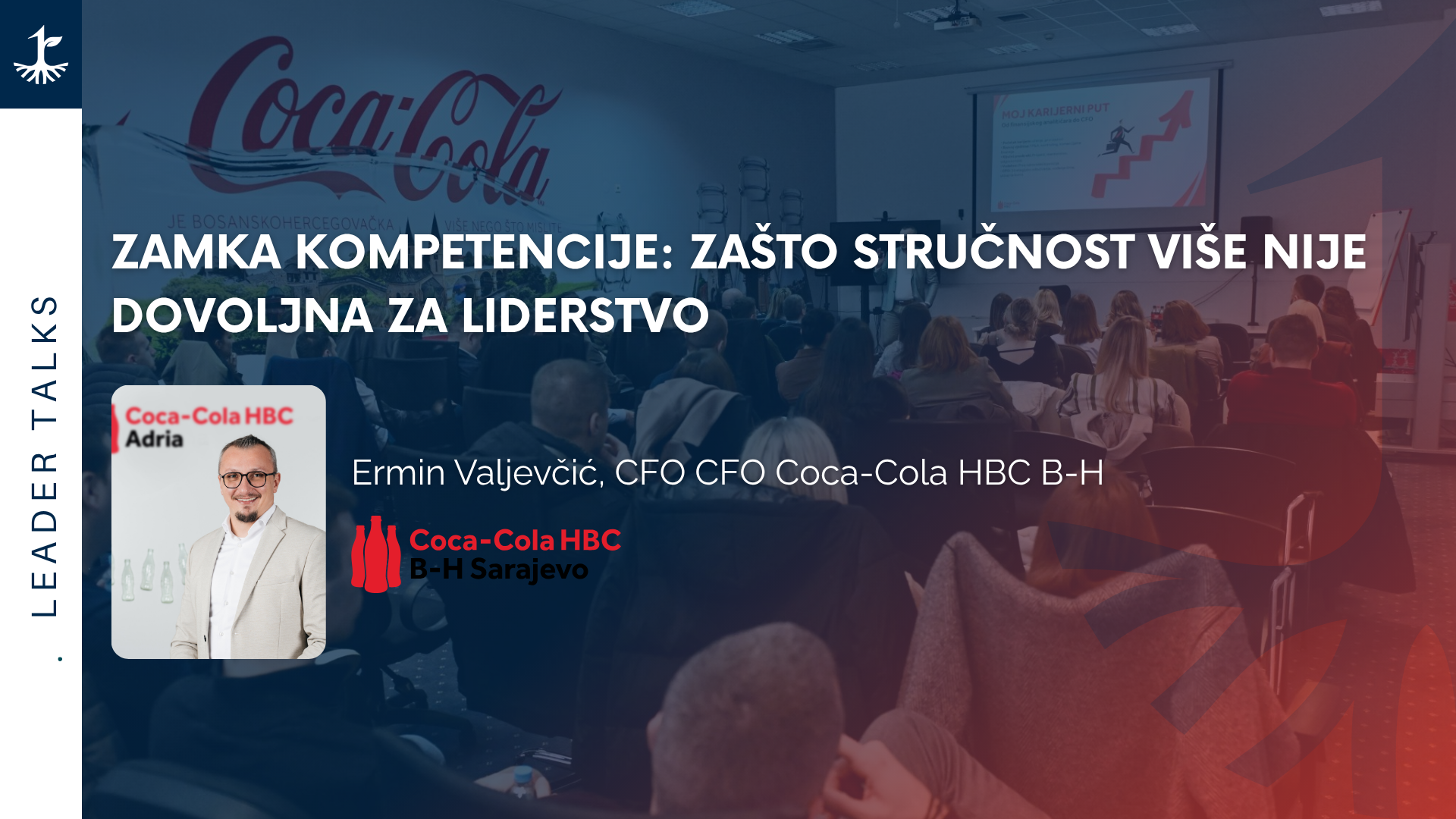
In a business environment where results are often seen as the sole indicator of value, the conversation with Ermin Valjevčić opens up a more complex question: why do those who are the most competent often fail to make the leap into leadership?
Speaking from his own experience, Valjevčić immediately sets a clear framework:
“For the modern business environment, expertise is the expected minimum, but the ability to clearly articulate one’s value becomes the key differentiator.”
This, he explains, is where a critical turning point in a career occurs. The transition from an expert to a leadership role does not happen automatically, nor is it solely the result of knowledge. “Throughout one’s career, moving from an expert to a leadership role requires not only knowledge, but also the ability to translate that knowledge into influence and results,” he emphasizes, adding that understanding one’s strengths and communicating them clearly directly impacts team trust and the quality of decision-making.
This gap between knowledge and influence often remains unrecognized at the organizational level as well. While employee development is increasingly formalized through evaluations and workshops, Valjevčić warns that the process must not stop there. “It is essential that evaluation does not remain at the level of reflection. Teams and organizations need to connect results with concrete actions, define individual development plans, set measurable goals, and ensure continuous feedback.”
In practice, he adds, development is neither linear nor uniform. At Coca-Cola HBC, this development comes through a combination of projects, mentorship, and training—but also one key element: “taking ownership, which enables the practical application of what has been learned.”
One of the most compelling moments in the conversation comes when addressing stagnation, which, as he notes, is rarely recognized in time. “Stagnation often comes disguised as stability or security, which is why it becomes a barrier.”
For him, the signals are very concrete: relying on proven methods, avoiding stepping out of the comfort zone, or delaying delegation. “What I do, and what I recommend as a mentor, is to consciously seek new challenges, feedback, and learning opportunities.” This deliberate shift in perspective, combined with working with others, becomes key to moving beyond a phase that often goes unnoticed.
The conversation naturally returns to the bigger picture: how organizations systematically develop leaders. Valjevčić leaves no room for oversimplified answers: “Leadership development is a continuous process. It requires strategy and the commitment of the entire organization to create a culture where leadership is encouraged and supported.”
His personal journey, from analyst to CFO, confirms that such a system is not a theoretical concept but a practice that delivers results. “Projects, mentorship, and the willingness to take responsibility play a key role,” he highlights, adding that the focus is not only on technical competencies, but also on self-awareness, strategic thinking, and interpersonal skills.
Ultimately, this combination clearly shows why some professionals remain in the zone of expertise, while others successfully make the leap into leadership. As Valjevčić implies throughout the conversation, the difference lies not in the amount of knowledge, but in how it is used, communicated, and translated into impact.