

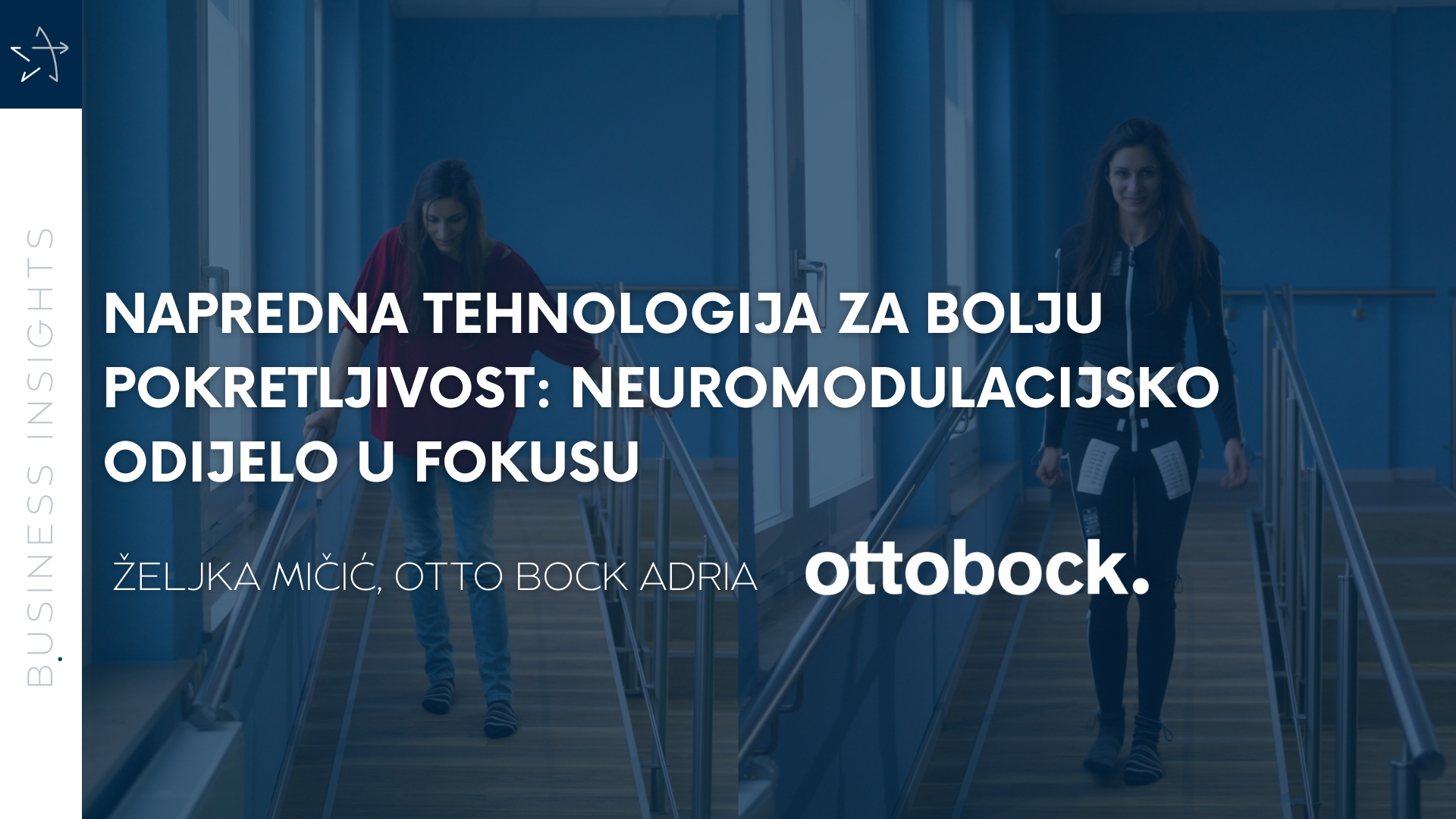
Ottobock is developing a neuromodulation suit as an advanced solution in rehabilitation - what are the key functionalities and benefits of this technology for users?
Ottobock's neuromodulation suit is an innovative, non-invasive therapeutic solution based on precisely controlled electrical muscle stimulation with the aim of optimizing neuromuscular function. The technology is intended for people with neurological and functional disorders, including spasticity, muscle weakness and chronic pain.
The emphasis is on individually programmed stimulation, balancing muscle activity through the inhibition of overactive and activation of weakened muscles, and supporting the improvement of motor control. The system is used as a complementary therapy within a structured rehabilitation program.
For users, the benefits are reflected in improved mobility, reduced pain and tension, increased functional independence and improved quality of life. The special value of the technology is a personalized therapeutic approach, which allows safe and targeted application in accordance with individual clinical needs.
What potential do you see for the application of neuromodulation suits within the public health system, especially in the context of therapy effectiveness and long-term treatment costs?
This suit from Ottobock has a strong potential for systematic integration in the field of neurorehabilitation and chronic condition management. Its value lies in the combination of clinical effectiveness, personalized therapeutic approach and long-term economic sustainability.
From a health policy perspective, this technology supports the strategic goals of modern health systems: strengthening outpatient rehabilitation, reducing the burden on hospital capacities, improving functional outcomes and moving from a reactive to a proactive model of chronic disease management.
A particular advantage is the possibility of application at all three levels of health care.
At the tertiary level, the neuromodulation suit can be integrated into specialized and neurorehabilitation centers and post-acute recovery programs.
At the secondary level, it is used in hospital and physical therapy facilities as part of structural rehabilitation protocols.
At the primary level, it enables the continuation of therapy through an outpatient approach, thus ensuring continuity of treatment and more rational use of health resources.
In economic terms, the integration of this technology can contribute to reducing the overall cost of treatment through a shorter duration of intensive rehabilitation, fewer hospitalizations and optimization of the work of health care staff. In the long term, improving the functional independence of the patient can reduce secondary complications and the associated costs of chronic care.
In this context, the neuromodulation suit represents not only a technological innovation, but also a potential model for improving the efficiency and sustainability of the public health system, with measurable clinical and economic benefits.
For which group of patients is this technology specifically intended and in which segments of rehabilitation do you see its greatest application?
The neuromodulation suit is intended for patients with neurological and neuromuscular disorders in which spasticity, muscle weakness, motor control disorders and chronic pain are present. The technology is non-invasive, works below the level of muscle contraction, is non-pharmacological and pleasant for the patient, which allows its safe and continuous use.
It is especially indicated for people with:
- Cerebral palsy
- Multiple sclerosis
- Consequences of stroke
- Injuries to the central nervous system
- Chronic pain syndromes, including fibromyalgia
We see the greatest potential for application in the segment of neurorehabilitation and management of chronic conditions, where personalized neuromodulation contributes to the regulation of muscle tone, pain reduction and improvement of functional mobility.
What significant steps have been taken to make the neuromodulation suit available in the public health system?
Since June 2024, the neuromodulation suit has had an approved therapeutic code from the Federal Health Insurance Institute and is supported by over a hundred associations of people with disabilities. With the initiative and support of the Council of Ministers of Bosnia and Herzegovina, the technology is ready for integration into the public health system, enabling efficient and personalized rehabilitation at all levels of health care.